Thinking about selling your Lake Wylie home in Belmont’s 28012 and want to squeeze every dollar from the sale? Getting top results on the lake takes a different playbook than selling inland. You need smart pricing that reflects waterfront realities, careful prep that highlights outdoor living, and clean documentation to remove buyer doubt. In this guide, you’ll learn how to set the right price, stage the lifestyle buyers want, and clear permit and flood questions before they slow you down. Let’s dive in.
Know your 28012 market context
Portal data for 28012 shows two stories. Broad Belmont numbers and true lakefront numbers do not move in lockstep. For example, portal reports placed median 28012 prices near the low $500s in late 2025 and a separate typical value near the low $400s in early 2026. Methodologies and dates differ, which is why you should look at a range, not a single number.
Within the Lake Wylie micro-market, sold prices often trend higher than the broader zip. That premium reflects dock rights, channel exposure, lot position, and outdoor living. Small sample sizes on the lake can make averages swing month to month, so focus on the most similar sales rather than headline averages.
Understand the waterfront premium
Industry reviews commonly cite a wide premium range for true waterfront compared to inland homes, often in the 30 to 70 percent band. In practice, your uplift depends on on-the-water details. Buyers pay most for use and certainty, not just the view.
Factors that can move your price band up or down include:
- Private permitted dock and lift versus community access only
- Main-channel depth and exposure versus narrow or shallow coves
- Shoreline frontage, slope, and safe access to the dock
- Condition of seawall or rip-rap and evidence of erosion control
- Proximity to shopping, dining, and major routes into Charlotte
Price with a lake-aware CMA
A good comparative market analysis on Lake Wylie separates three buckets: true waterfront with a private permitted dock, deeded or community access without a private dock, and lake-view only. Your pricing should compare recent closed sales within 6 to 12 months and adjust for frontage, water depth, channel versus cove, outdoor living investments, and permit status.
Keep these pricing guidelines in mind:
- True waterfront with a private permitted dock on deeper water usually sets the top price band in the neighborhood.
- Dockable lots or community access often sit in the middle band. Confirm in writing what is allowed before you advertise “dockable.”
- Lake view without water access can command a premium over inland homes, but it is typically lower than dockable and far below private-dock sales.
If you expect appraisal risk due to thin comps, consider a pre-list appraisal or a detailed broker price opinion to support your list price. Strong documentation and clear marketing of water-use features reduce the chance of last-minute re-pricing.
Time your listing for demand
Lake buyers tend to shop most in late spring through early summer, when docks, water clarity, and outdoor rooms show at their best. Early fall can also work well. Winter sales are possible, but you should expect fewer showings and more price-driven, timeline-focused buyers. If you are targeting peak season, plan 8 to 12 weeks of prep to complete repairs, staging, and media.
Stage the lifestyle buyers want
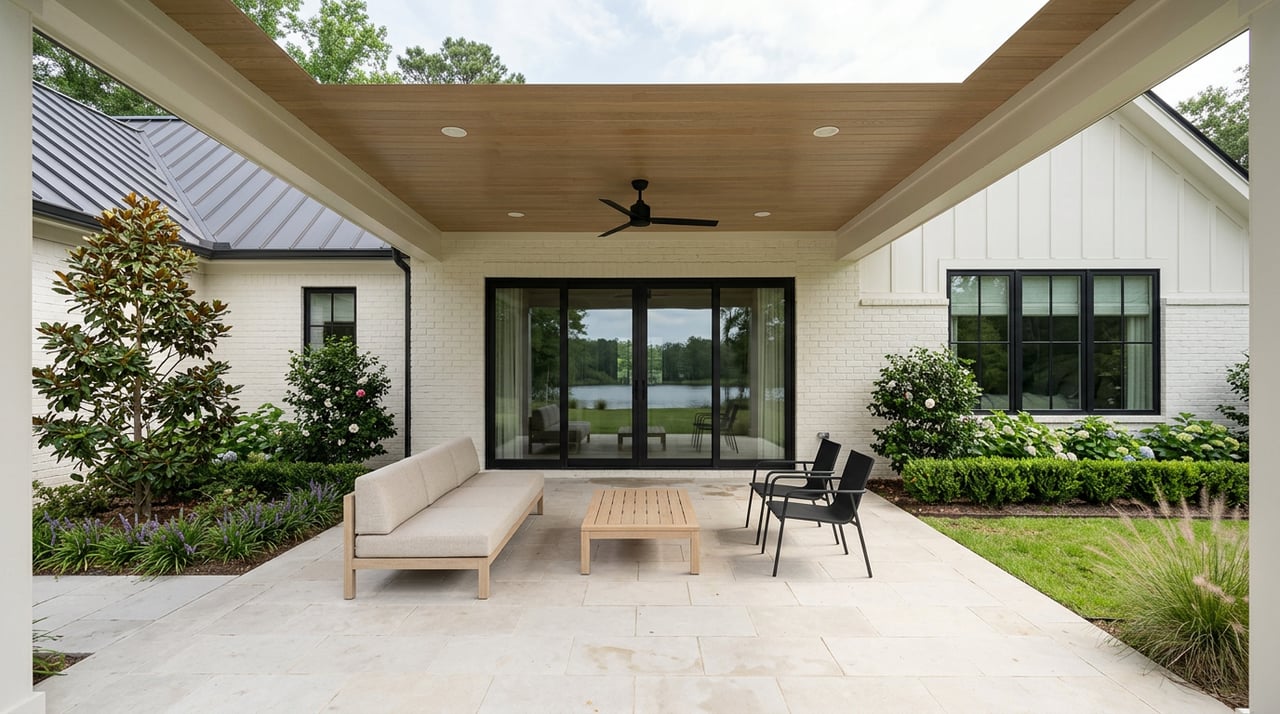
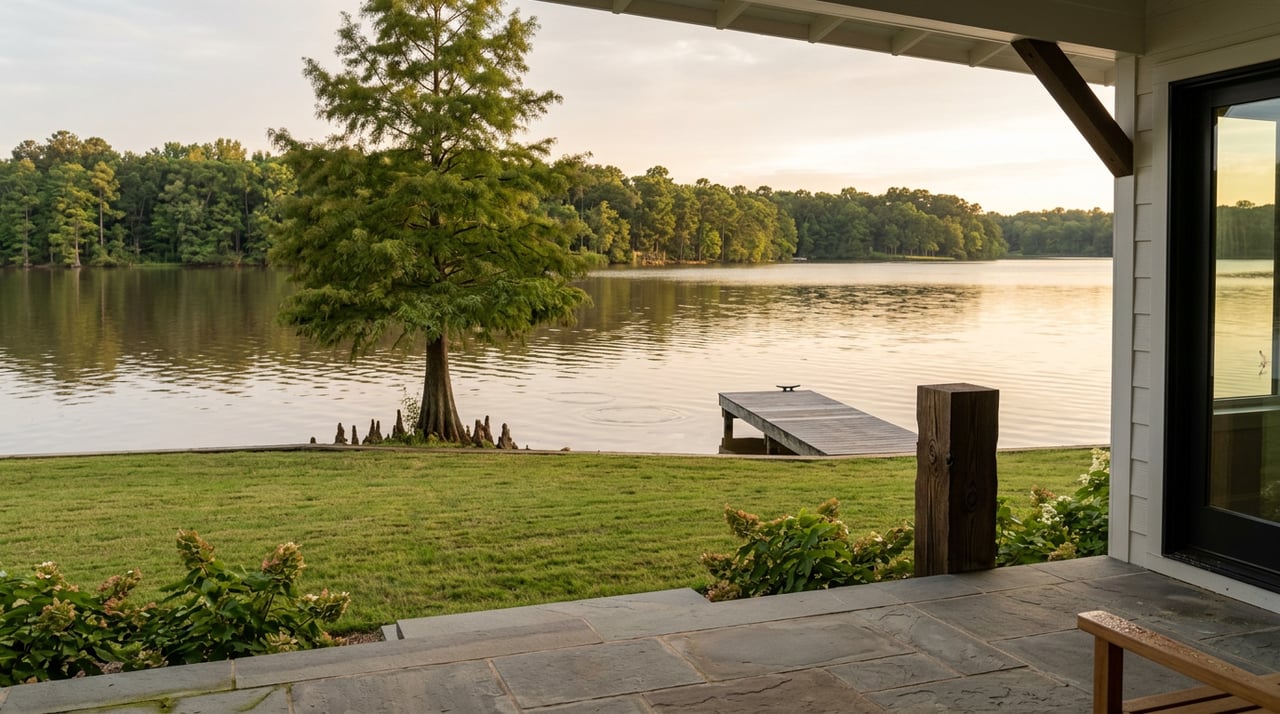
You are not just selling a house. You are selling mornings on the dock and long evenings on the porch. Make the lifestyle easy to picture.
Interior priorities that pay off
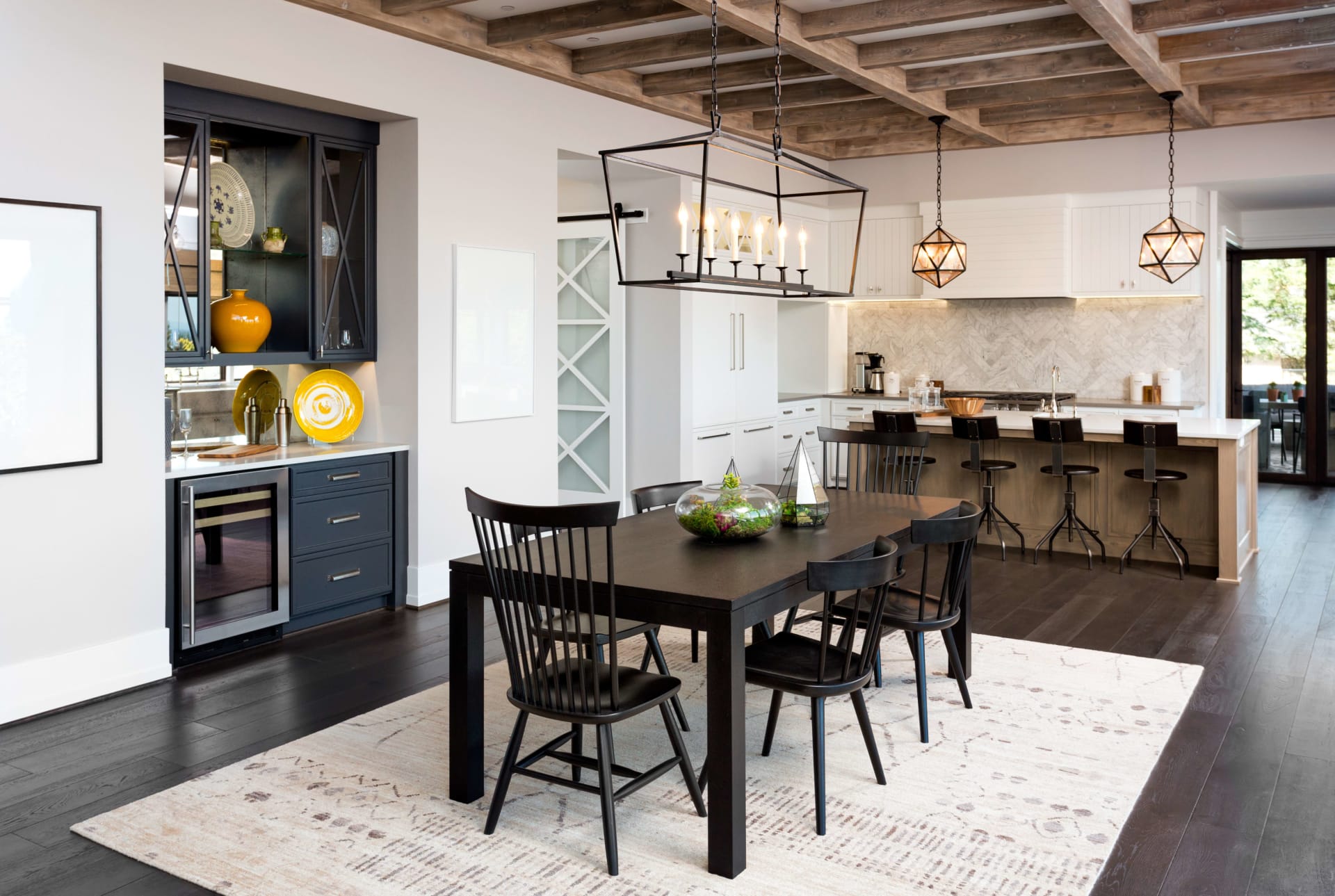
NAR’s staging data notes that the living room, kitchen, and primary suite carry the most weight with buyers. Clean, declutter, and neutralize. Open sightlines to the water wherever possible. Agents frequently report a 1 to 5 percent uplift in offers sometimes attributable to staging, and staged homes often sell faster. See NAR’s guidance on staging priorities and best practices.
Outdoor and waterfront presentation
- Power wash and freshen decks, rails, and steps. Replace any soft boards.
- Create conversation zones on the porch and by the water. Picture two chairs and a small table orienting to the view.
- Tidy the path to the dock and trim vegetation that blocks sightlines.
- If you have a firepit or grilling station, set it with simple, neutral decor.
Photography and media that win clicks
Invest in professional interior photos, twilight exterior shots, and drone or aerial media that show lot lines, shoreline, and proximity to the main channel or marinas. Buyers want to orient themselves fast. Aerials help them understand channel versus cove exposure, neighbor spacing, and dock condition in one glance. NAR emphasizes the value of high-quality visuals in generating stronger interest and better outcomes. Explore their staging and presentation resources as a checklist before you shoot.
Fix safety and condition items early
Lake buyers look closely at water-use safety and shoreline integrity. Address these items before you list.
- Dock and lift safety: Tighten connections, replace rotten framing, and service the lift. Keep service records. Shoreline work and dock changes inside the project boundary are governed by Duke Energy’s Shoreline Management Plan, so confirm permit status before making changes. Review Duke’s Catawba-Wateree Shoreline Management Plan.
- Seawall and erosion control: If you see erosion or suspect older work needs attention, assess it now. Shoreline stabilization, dredge, and fill can trigger federal and state reviews. Learn how the U.S. Army Corps regulates these activities under Section 10 and Section 404 on their Regulatory Program overview.
- Simple carpentry, paint, lighting, and landscaping around water-view rooms: These quick wins often deliver better ROI for lake listings than big interior remodels because they elevate where buyers will spend time.
Prepare a complete seller packet
Well-prepared sellers invite better offers and fewer contingencies. Assemble documents before you go live.
- Deed and survey showing shoreline or deeded access
- Duke Energy shoreline classification, any existing dock permits, and correspondence on permit status. Start with Duke’s Shoreline Management Plan.
- Flood zone status and any Elevation Certificate, plus current flood insurance premium history. Use FEMA’s Flood Map Service Center to confirm flood zones and learn when an Elevation Certificate can help.
- Dock inspection and lift service records, with photos of current condition
- HOA, community marina, and slip assignment rules and fees, if applicable
- Pre-list home inspection and any contractor estimates for recommended fixes
Navigate permits and rules with confidence
Waterfront marketing must align with permit reality. Three layers matter on Lake Wylie.
- Duke Energy permits and shoreline rules: Any pier, dock, or shoreline work inside the project boundary typically requires approval from Duke Energy Lake Services. Gather your property’s shoreline classification and permit history before you advertise dockability. See Duke’s Shoreline Management guidelines.
- City and county approvals: The City of Belmont handles zoning and land-use permits, while Gaston County oversees building code and floodplain reviews. Coordinate both layers so your listing copy is accurate about what is allowed. Start with the City’s permitting guidance.
- Federal and state environmental reviews: Certain shoreline stabilization, dredging, and fill activities can require U.S. Army Corps authorization and state water-quality review. This can affect both your timeline and buyer financing. Learn about the Corps permitting framework.
Never promise private dock rights or future shoreline work unless you can show documentation. Clear, accurate disclosures build trust and protect your price.
Reduce appraisal and financing risk
Lake comps can be thin. Prepare early to reduce surprises during underwriting.
- Ask your agent for a lake-aware CMA supported by recent, relevant waterfront closings.
- Consider a pre-list appraisal or detailed broker price opinion if you plan to set a premium price.
- Provide full documentation on permits, flood status, and HOA or marina rules to your buyer’s lender as soon as you are under contract. Fewer open questions mean fewer delays.
Negotiate with fewer surprises
Many renegotiations start with unclear information. Head them off before they cost you.
- Disclose flood history, provide your insurance details, and share your Elevation Certificate if you have one.
- Confirm slip transfer or assignment rules in writing and include any fees or waitlist notes.
- Document dock, lift, and seawall condition, plus any recent repairs.
- If Duke Energy has issued any shoreline notices, address them before listing or include a plan and estimate.
Choose a Lake Wylie–savvy team
Interview agents with your lake goals in mind. Ask:
- How many Lake Wylie or lake-chain waterfront homes have you priced and closed in the past 24 months? What were the days on market and sold prices?
- What is your marketing plan for the lake lifestyle? Will you provide drone, twilight photography, and a virtual tour that showcases shoreline, outdoor rooms, and community amenities?
- How will you confirm and disclose Duke Energy permits and any Corps or state approvals that affect my property?
- What is your step-by-step pre-list timeline so we can target peak season?
A skilled team will blend luxury presentation with a process that protects your price. At Bullock & Co., that means high-caliber media, lake-specific pricing, and a calm, detailed plan. If needed, we can also discuss Compass Concierge and bridge loan options to fund pre-market improvements and time your sale and next purchase with less stress.
When you are ready to sell, you deserve a strategy and a team that handles the details without drama. Reach out to Nelvia Bullock to map your lake-smart plan and move forward with confidence.
FAQs
How long do Lake Wylie homes in 28012 take to sell?
- Timelines vary by season and property type, but plan for a stronger showing window in late spring and summer, with winter bringing fewer showings and more price-driven buyers.
What is a dock permit on Lake Wylie and how do I verify it?
Do I need flood insurance if my lender does not require it?
How much more is true waterfront worth than an inland home?
- Premiums vary widely; industry reviews often cite a 30 to 70 percent uplift for true waterfront, but final value depends on dock rights, channel depth, shoreline condition, and recent local comps.
What media should I use to market a lake home?
- Prioritize professional interiors, twilight exteriors, and drone or aerial footage that clearly shows shoreline, channel versus cove exposure, and outdoor living spaces; see NAR’s staging guidance for presentation tips.