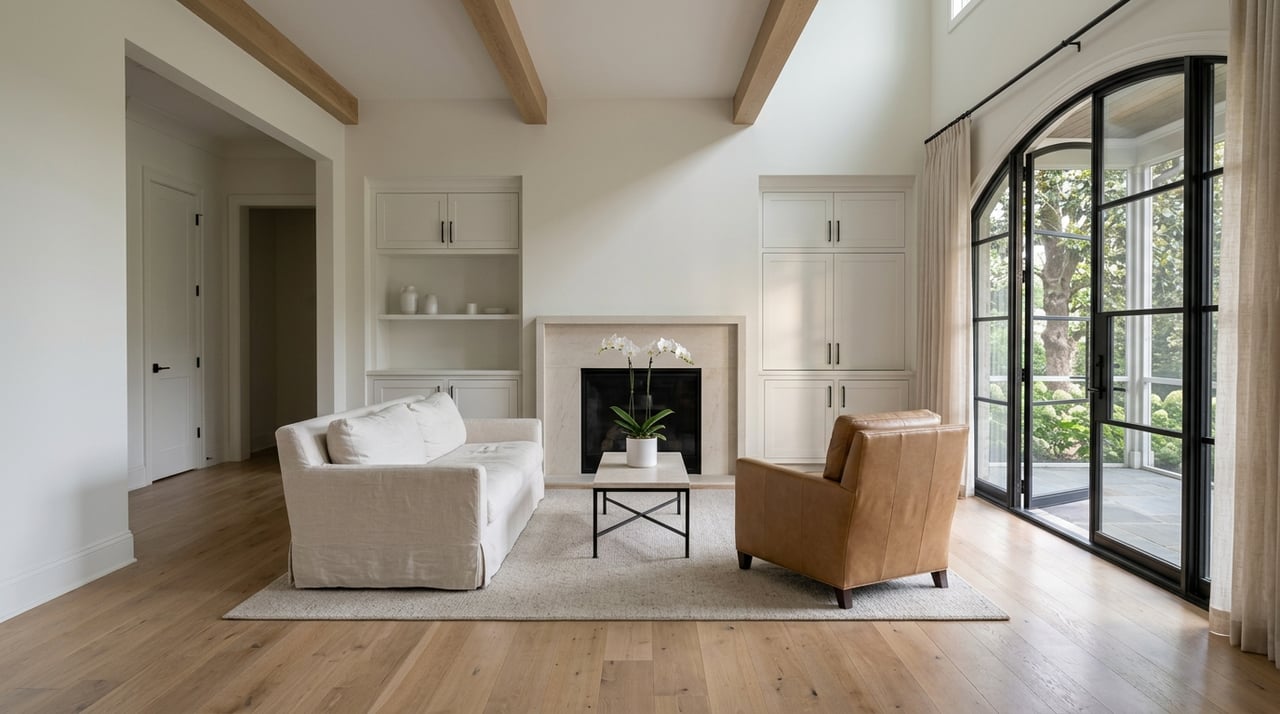
Lake Norman Lifestyle Living: A Real Look at Daily Life
April 2, 2026
April 2, 2026
Dreaming about lake life often brings up the same picture: summer weekends, a boat at the dock, and sunset dinners by the water. But if you are considering a move to Lake Norman, you probably want a more honest answer than that. You want to know what daily life really feels like, how practical it is, and whether it works beyond vacation mode. This is where a closer look helps, so let’s dive in.
Lake Norman is not an isolated getaway. It is a large, Charlotte-adjacent lake region about 20 minutes north of the city, with more than 32,000 acres and 520 miles of shoreline, according to Visit Lake Norman. That scale shapes everything from housing choices to commuting patterns.
For most buyers, living at Lake Norman is not just about choosing a home on or near the water. It is also about choosing the right town and the right daily rhythm. The core towns most often tied to the lifestyle are Cornelius, Davidson, and Huntersville, and each brings a different feel to everyday living, as outlined in the Lake Norman relocation overview.
One of the biggest misconceptions about Lake Norman is that it functions like one single community. In practice, it is a collection of shoreline towns with different housing patterns, amenities, and access points. That means your experience can vary quite a bit depending on where you land.
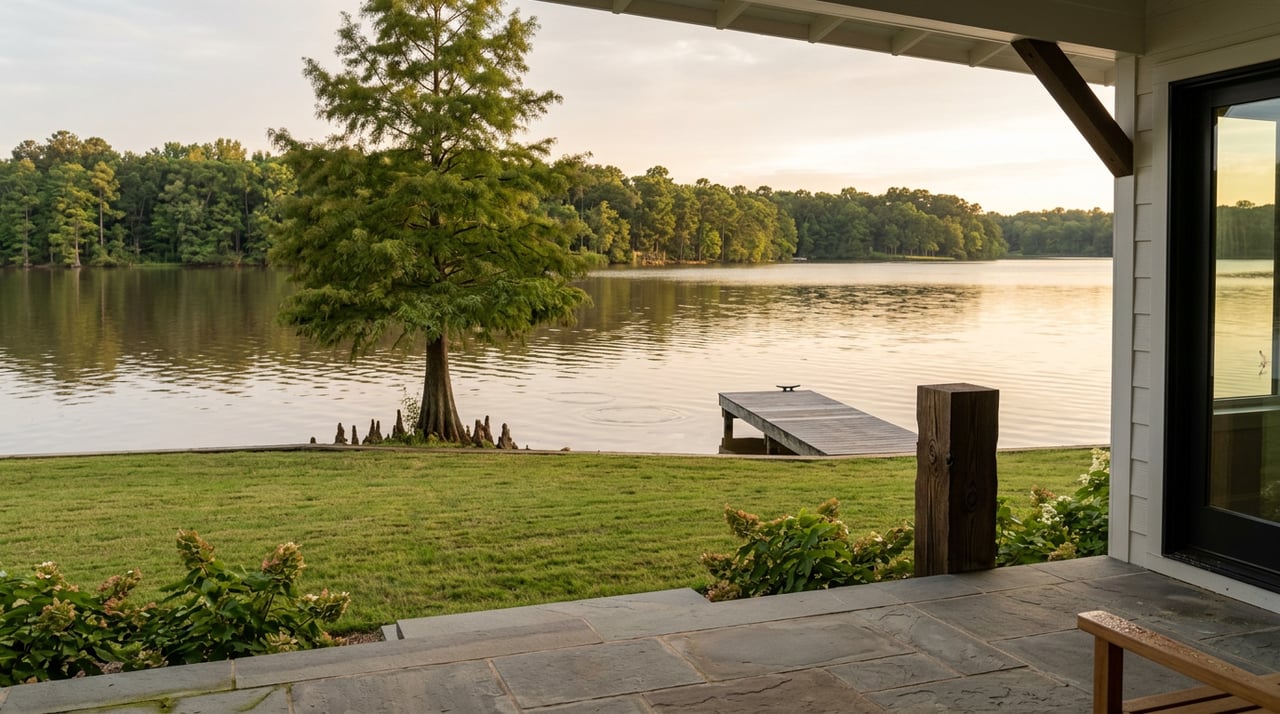
Cornelius is especially important if you are thinking about waterfront living. The town’s planning documents note that Cornelius has more shoreline than any other jurisdiction on Lake Norman, and many of its peninsulas are already largely built out with residential homes and communities. You can see that context in the town’s comprehensive master plan.
That built-out pattern matters because it shapes inventory. If you are hoping for direct waterfront, you should expect a more limited supply than you will find with inland homes. In other words, lake life is available in many forms, but true shoreline property is naturally scarcer.
A lot of people assume you need to own a boat to enjoy Lake Norman. In reality, everyday lake living is often more about access than ownership. Public amenities make it possible to enjoy the water without taking on the cost and responsibility of full-time boat ownership.
Mecklenburg County Park and Recreation lists several key access points. Blythe Landing Park offers six boat ramps and 218 trailer spaces, while Ramsey Creek Park has four boat ramps. The county also highlights Lake Norman Community Sailing, which offers sailing classes and memberships for sailing, kayaking, and paddleboarding.
That opens the door to a flexible lifestyle. You can paddle one weekend, rent a boat another, and still enjoy the lake without structuring your whole life around ownership. For many buyers, that makes Lake Norman feel more practical and more approachable.
Lake culture here includes plenty of casual, public, and occasional ways to get on the water. Visit Lake Norman’s rental guide notes that boat rentals are in high demand during peak summer, which says a lot about how people actually use the lake. Not everyone keeps a boat year-round, and many residents still make lake time part of regular life.
The same goes for shoreline recreation. Ramsey Creek Beach includes a swimming area, docks, trails, a fishing pier, an enclosed dog park, and a volleyball court. That mix makes the lake feel less like a special occasion and more like part of the local routine.
One of the clearest signs that Lake Norman is a lifestyle market, not just a scenic backdrop, is how often the lake shows up in social life. Waterfront dining is not treated like a rare event. It is woven into the way people gather.
The official lakefront restaurant guide highlights places like Hello, Sailor, North Harbor Club, and LakeHouse Wine Bar and Grill, and notes that guests can arrive by car or by boat. That detail says a lot. At Lake Norman, water access is not separate from everyday life. It blends with dinner plans, weekend meetups, and family time.
Lake Norman absolutely shines in summer, but that is only part of the story. If you live here full-time, your experience will be shaped by seasonal rhythms, weather patterns, and water conditions. That makes the lifestyle feel more grounded and more real.
Summer is the busiest time for boating, beach days, concerts, and holiday celebrations. But Visit Lake Norman’s annual events calendar shows activity across the full year, including spring festivals, fall events like Laketoberfest and the Carolina Renaissance Festival, and winter traditions like boat parades and tree lightings.
That year-round calendar is a major plus for buyers who want more than a summer address. You get the energy of peak lake season, but you also get a broader community rhythm that continues well after beach weather ends.
A realistic picture of lake life also includes a few practical limits. Public amenities can be seasonal, and lake conditions are not the same every day of the year. That does not take away from the appeal, but it is useful to know going in.
For example, Mecklenburg County says Ramsey Creek Beach reopens around Memorial Day weekend and shifts into summer hours. The county has also issued swim advisories at times when harmful algae blooms appear in parts of the lake, which reinforces that water use can be affected by natural conditions and public guidance.
That is part of what makes Lake Norman feel like a real place to live. It is fun and active, but it is also shaped by the same practical considerations that come with any outdoor lifestyle.
For many buyers, one of Lake Norman’s biggest strengths is that it connects lake living with metro access. You are not choosing between water and city convenience in a strict either-or way. You are often choosing a hybrid lifestyle.
That Charlotte connection is one reason the area draws relocators and move-up buyers. You can enjoy shoreline parks, community events, and dockside dining while still staying tied to the region’s job centers, healthcare, shopping, and airport access. That mix is a big part of what makes the market so popular.
If you are commuting into Charlotte or around Mecklenburg County, Lake Norman can be practical. But it is important to go in with realistic expectations. This is not a traffic-free lake market.
According to U.S. Census QuickFacts, mean travel time to work is 25.4 minutes in Mecklenburg County, 25.4 minutes in Cornelius, and 27.2 minutes in Huntersville. Those numbers suggest a manageable suburban commute, but they also reflect a region where road access matters.
I-77 is the key corridor behind that reality. The NCDOT I-77 Express Lanes project is focused on improving reliable travel times, and Cornelius planning documents have long pointed to traffic and limited road connections as major local issues. If you want lake access and commuter convenience, this is one of the main tradeoffs to weigh.
Lake Norman housing is not one-size-fits-all. You will find a range of price points, neighborhood types, and access levels depending on the town and whether you want direct waterfront, water view, or inland living with easy lake access.
Census data shows meaningful differences across the core towns. QuickFacts for Cornelius reports a median owner-occupied home value of $559,400 and an owner-occupied housing rate of 69.5 percent. The same source reports $472,900 in Huntersville with a 71.7 percent owner-occupied rate, and $687,700 in Davidson with an 80.0 percent owner-occupied rate.
Those numbers help illustrate two things. First, this is an owner-heavy market. Second, the towns are not interchangeable from a pricing standpoint.
It is easy to focus on direct-waterfront homes when you start searching around Lake Norman. But many buyers find that the broader market offers more flexibility and value than they expected. A home does not need to sit directly on the shoreline to support a strong lake lifestyle.
Because some shoreline areas, especially in Cornelius, are already largely built out, inland inventory often creates more options for buyers who want space, budget flexibility, or easier maintenance. Pair that with public launches, beach access, rentals, sailing programs, and lakefront dining, and the lifestyle can still feel very connected to the water.
That perspective matters if you are relocating or trying to balance lifestyle with long-term financial goals. Sometimes the best fit is not the most obvious one.
If you are trying to understand how the lake towns fit into the larger region, it helps to look at how public systems connect across them. For example, the official page for William Amos Hough High School says it serves Huntersville, Cornelius, and Davidson. That is a useful reminder that Lake Norman living is tied into broader Charlotte-area infrastructure, not set apart from it.
For buyers, that often means your search is about more than scenery. It is about commute patterns, town identity, housing availability, and how you want everyday life to function.
So what does Lake Norman living really look like? For most people, it looks less like a permanent vacation and more like a well-rounded Charlotte-area lifestyle with water woven into it. You get boating, beaches, dining, parks, and events, but you also get school schedules, traffic decisions, and the realities of a highly desirable housing market.
That combination is exactly why so many buyers are drawn to the area. Lake Norman offers a lifestyle upgrade without requiring you to step away from the practical parts of everyday living. If you are weighing waterfront, near-water, or inland options around the lake, working with a local advisor can help you narrow down what fits your goals and your timing.
If you are thinking about a move in the Lake Norman area, Nelvia Bullock can help you compare towns, understand inventory, and create a strategy that fits the way you want to live. Let’s talk about your next move.
Stay up to date on the latest real estate trends.
Nelvia Bullock Real Estate strives to enrich lifestyles by refining the experience of matching real people to lucrative real estate opportunities.
Nelvia Bullock | NC & SC REALTOR®
4525 Sharon Rd. 3rd Floor Charlotte NC 28211