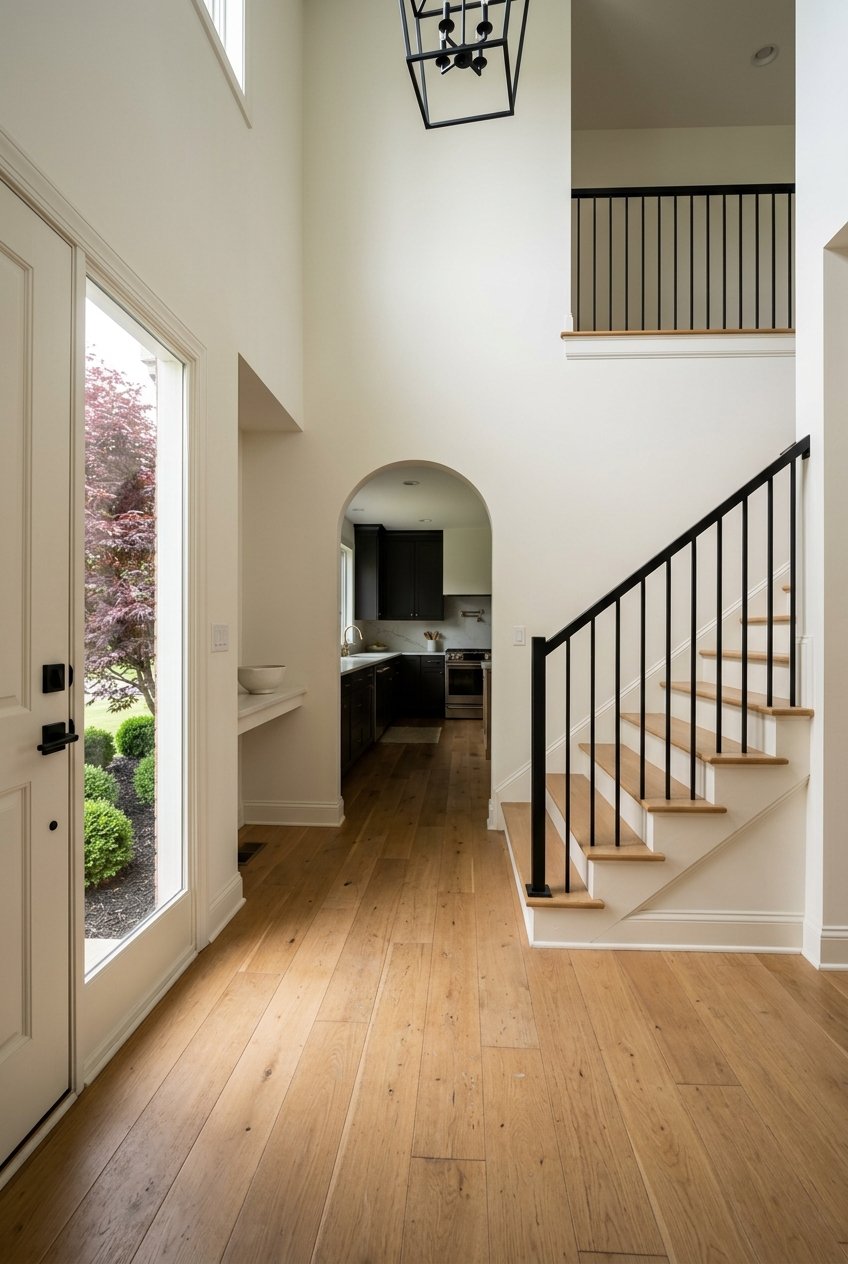
How To Coordinate A Sell-And-Buy Move Between Charlotte And Fort Mill
May 7, 2026
May 7, 2026
Selling in Charlotte while buying in Fort Mill can feel like trying to land two planes on the same runway at once. You want the timing to work, your money to move cleanly, and your stress to stay low, but one delay can ripple through both deals. The good news is that with the right structure, this kind of move can be coordinated smoothly. Here’s how to plan a Charlotte-to-Fort Mill sell-and-buy move with fewer surprises and more control.
The biggest mistake you can make is treating your Charlotte sale and your Fort Mill purchase as two separate transactions. In reality, they are linked from day one because your timeline, cash flow, and closing steps affect both sides.
That matters even more because North Carolina and South Carolina handle closings a little differently. In North Carolina, the parties negotiate the time and place of closing and choose the closing attorney, and non-attorneys involved in residential closings are limited to administrative tasks. In South Carolina, each phase of a real estate transaction, including title work, the closing, and recording, must be supervised by a licensed South Carolina attorney.
It is tempting to start with your ideal move date and work backward. A better approach is to build your plan around how closings actually work in both states, then add cushion for the unexpected.
Because Charlotte and Fort Mill sit across a state line, your sale and purchase need early coordination with both attorneys and both lenders. If documents are not ready, the calendar can slip. Even small errors in closing paperwork can delay closing by hours or days.
A practical timeline should include a buffer for document corrections and final file review. If you are buying, it also helps to speak with the closing agent several days before closing to confirm the file is complete.
Many move-up and relocation buyers try to sell their current home before buying the next one. That is common, but it also means one closing often funds the other.
If your Charlotte home closes later than expected, your Fort Mill purchase may need to shift too. Planning for that possibility early gives you more options and less pressure in the final week.
Contingencies are one of the most important tools in a coordinated move. A contingency is simply a condition that must be met before the purchase can be completed.
For a Charlotte-to-Fort Mill move, the most relevant ones are usually financing, inspection, title, and either a home sale or home close contingency. These terms can help protect you if your current home does not sell or close on the original timeline.
A home sale contingency lets you sell your current home before closing on the next one. A home close contingency gives you time to close on the sale of your current home first.
That distinction matters. If your Charlotte home is already under contract, a home close contingency may better match your situation. If you have not yet secured a buyer, a home sale contingency may offer broader protection.
If a Fort Mill seller accepts a home sale or home close contingency, they may still continue showing the property. They may also use a kick-out clause, which can allow them to accept another offer if you cannot move forward without your contingency.
That does not mean a contingent offer is a bad idea. It means the terms and timing need to be clear, realistic, and negotiated carefully.
Contingencies work best when they include clear timelines. If a contingency is not met within the agreed period, the parties may be able to cancel without penalty if they are acting in good faith.
This is one reason a calm, detailed timeline matters so much. Vague dates create confusion. Specific deadlines create decision points.
Inspections can affect both timing and negotiations, so they should happen as soon as possible. Early scheduling gives you time to understand the home’s condition and decide how to handle any issues that come up.
If your contract is contingent on a satisfactory inspection, you may be able to cancel without penalty if you are not satisfied. Major repair concerns can also make closing more complicated, which is another reason not to leave this step until the last minute.
A delayed inspection can compress your entire schedule. That can be especially stressful when you are also packing, preparing your Charlotte home for closing, and trying to line up movers and utility transfers.
An early inspection gives you room to negotiate repairs, request credits, or decide whether the purchase still makes sense. In a linked move, that extra time is valuable.
Title is not just a legal formality. It is part of the risk-management process in a buy-and-sell move.
A title contingency gives you the chance to verify ownership and check for liens. Lenders also typically require a title search, so this step is built into most financed purchases anyway.
Because South Carolina requires attorney supervision for title work, closing, and recording, it is especially important to keep the attorney on your Fort Mill purchase in the loop early. Waiting too long can put pressure on the final days before closing.
Sometimes you want to buy in Fort Mill before your Charlotte home has fully closed. That can be possible, but it usually requires either a contingency structure or short-term financing.
A bridge loan is generally short-term financing, often 12 months or less, used when you plan to sell your current home and buy a new one. In practice, bridge financing tends to fit best when you have enough equity in your current home, expect it to sell, and want to make a stronger offer without tying the purchase to a home sale contingency.
Bridge financing can create flexibility, but it is not automatically the right move for everyone. Your lender still has to confirm that you can carry the temporary costs.
For some buyers, a contingency-based plan will feel safer. For others, a bridge loan pathway may reduce timing pressure and strengthen the offer on the Fort Mill home they really want.
Because Bullock & Co. works on coordinated sale-and-purchase moves and offers bridge loan pathways through Compass-connected solutions, this can be part of a broader strategy rather than a last-minute scramble.
If you are planning to sell in Charlotte and buy in Fort Mill, getting preapproved early can help you make decisions with more confidence. A preapproval letter shows sellers that you are likely to get financing, even though it is not a final loan approval.
This step can also help you understand your target price range before you commit to the next purchase. That matters when you are trying to match sale proceeds, monthly payment goals, and moving costs.
In the months before you buy, avoid taking out new loans, making large purchases, or applying for new credit cards. Those moves can hurt your credit profile and affect mortgage pricing.
When you are coordinating two homes at once, it is easy to justify a few early purchases. Try to wait until after closing whenever possible.
The final week often feels like the finish line, but it is also where small problems can become big ones. Review your closing documents in advance so you have time to catch and correct mistakes.
You should also complete a final walk-through before signing. If something feels off at closing, you can pause and ask questions before moving forward.
Mortgage closing scams often involve fake emails or last-minute changes to wiring instructions. One of the safest steps you can take is to confirm transfer instructions by phone with trusted parties before sending funds.
You should also avoid emailing financial information. A little caution here can protect your money and your move.
In North Carolina, the time and place of closing are negotiated by the parties. That means logistics should never be assumed.
For a Charlotte-to-Fort Mill move, settle those details early so your attorneys, lenders, and moving plans stay aligned. This is especially helpful when same-day or next-day coordination is part of your strategy.
A coordinated move works best when everyone knows the plan. At minimum, that usually includes your real estate professional, lender, closing or settlement attorney, and inspector.
If questions come up about affordability or credit, outside guidance may also help you work through the numbers. The main goal is simple: no surprises, no missing paperwork, and no silence at the wrong moment.
A sell-and-buy move between Charlotte and Fort Mill is very doable, but it works best when you build the plan around real timelines, clear contingencies, and steady communication. When you treat both sides as one connected strategy, you can reduce risk and make better decisions at each step.
If you are thinking about selling in Charlotte and buying in Fort Mill, the right guidance can make the process feel much more controlled. From timing strategy to bridge loan pathways and full-service residential support, Nelvia Bullock can help you plan your next move with confidence.
Stay up to date on the latest real estate trends.





Nelvia Bullock Real Estate strives to enrich lifestyles by refining the experience of matching real people to lucrative real estate opportunities.
Nelvia Bullock | NC & SC REALTOR®

4525 Sharon Rd. 3rd Floor Charlotte NC 28211