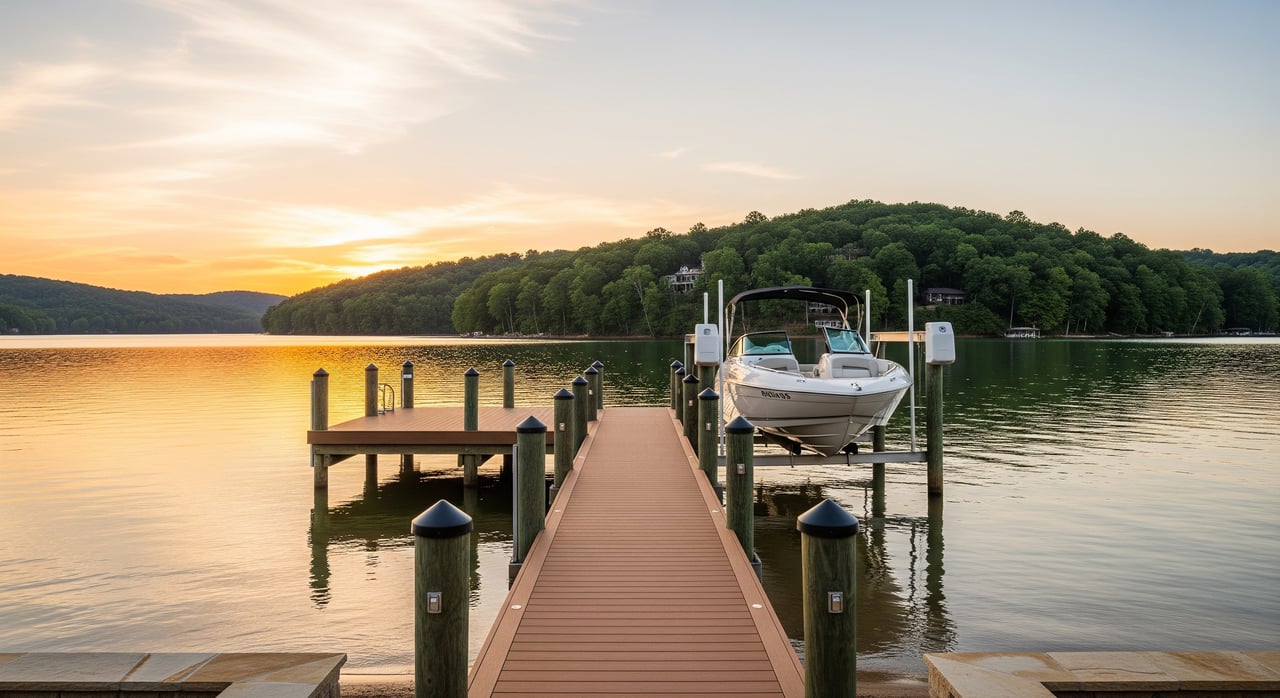
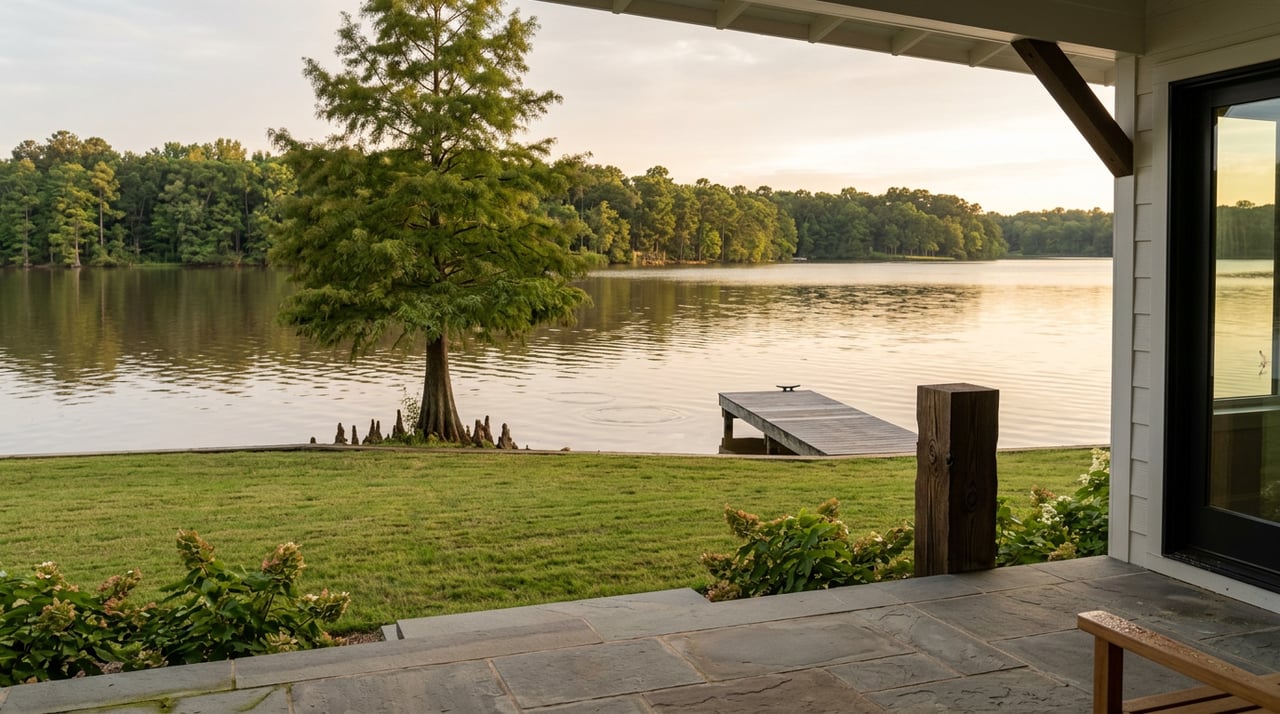
Thinking about adding or replacing a dock on Lake Wylie? You are not alone. Waterfront living is a lifestyle upgrade, but permits and approvals can feel like a maze when you just want to get on the water. If you own or are shopping for a home in 28012, this guide breaks down who to call, what to prepare, how long it might take, and how to avoid the most common delays. Let’s dive in.
Who approves docks on Lake Wylie
Several agencies can have a say in your dock, and your exact parcel location drives which ones apply. If your address is in 28012 (Gaston County, NC), start with Duke Energy and North Carolina authorities.
- Duke Energy. Duke manages shoreline use across Lake Wylie through its Shoreline Management Program and typically requires authorization for docks, piers, and lifts. Begin with the main site and search for Lake Wylie shoreline management contacts on the Duke Energy website.
- U.S. Army Corps of Engineers (USACE). If your project places structures or fill in U.S. waters or wetlands, federal permits may apply under the Clean Water Act or Rivers and Harbors Act. Learn how USACE evaluates projects on the Regulatory Program page.
- North Carolina Department of Environmental Quality (NCDEQ). State water quality reviews, 401 certifications, and stormwater or erosion controls may be required. Review program areas with the NCDEQ Division of Water Resources.
- Gaston County and municipalities. Local building, zoning, and land-disturbance permits vary by jurisdiction. Start with department contacts and permit portals on the Gaston County site.
- Other parties. The North Carolina Wildlife Resources Commission may offer guidance on navigation and habitat. If your project involves wetlands or 401/404 approvals, you can also review background information from the U.S. EPA on the Clean Water Act.
Practical tip: Lake Wylie spans NC and SC. If your shoreline is near the state line or on an island, you may need to contact South Carolina authorities as well. For cross-border or nearby parcels, see the South Carolina DHEC.
Step-by-step permitting roadmap
Following a clear sequence helps you avoid backtracking and keeps timelines realistic.
1) Confirm boundaries and riparian rights
Obtain your current deed and a stamped boundary survey showing the shoreline or high-water mark. Verify parcel lines, easements, and any buffers. If you do not have a recent survey, schedule one early. Typical survey timing is 1 to 4 weeks, depending on availability.
2) Check private restrictions
Review HOA covenants, neighborhood guidelines, and deed restrictions. Some communities limit dock size, location, or materials. Getting written guidance early can save redesigns later. HOA responses usually take days to a couple of weeks.
3) Contact Duke Energy Lake Services
Most Lake Wylie docks require prior Duke approval. Expect to submit a site plan, survey, photos, and an agreement to Duke’s conditions. Duke’s initial review often takes 2 to 8 weeks and may include requests for revisions. County permits typically follow Duke’s authorization.
4) Determine federal and state approvals
USACE may authorize simple docks under a Nationwide Permit or may require an Individual Permit if impacts are greater. Reviews for Nationwide Permits often take 30 to 90 days. Individual permits can take several months. NCDEQ handles state-level water quality reviews and may require erosion or stormwater controls if you disturb land.
5) Apply for county or municipal permits
Local permits cover building, zoning, and land-disturbing activity. Some applications require your Duke authorization. Gaston County timelines often range from 2 to 6 weeks if documentation is complete. Coordinate submissions so approvals align and you do not lose time between steps.
6) Build and schedule inspections
Experienced Lake Wylie contractors understand Duke and USACE standards and can help you stay compliant. Construction often takes days to weeks for a typical residential dock, with inspections scheduled shortly after completion.
Documents you will likely need
Putting a complete packet together speeds reviews and reduces follow-up requests.
- Certified boundary or topographic survey showing the high-water mark and property dimensions
- Site plan with dock layout, dimensions, orientation, and distances to property lines
- Construction details, including materials, flotation, anchoring, pilings, and any lift or cover
- Photos of the shoreline from multiple angles
- Description of construction methods, including barges, pile driving, or land access
- Erosion and sediment control plan for any grading or shoreline work
- Environmental documentation if wetlands, sensitive habitat, or protected species may be present
- Proof of ownership and any required HOA or neighbor acknowledgments under private covenants
Common rules and site constraints to expect
While every parcel is different, these themes come up often on Lake Wylie:
- Maximum dock lengths, square footage limits, and spacing from neighboring docks
- Restrictions on enclosed boathouses or certain roof types that block views or navigation
- Limits on new fill or dredging without specific authorization
- Requirements to use non-toxic materials when in contact with water
- Seasonal work windows to protect spawning or sensitive habitat
Confirm specifics with Duke, your county, and any applicable federal or state permits. Rules can change and are often site dependent.
How long it really takes in 28012
If your dock is straightforward and does not require federal Individual permits, plan on at least 6 to 12 weeks from initial application to the start of construction. That window assumes you have a current survey, a complete Duke submittal, and routine county reviews. If your project involves wetlands, more complex designs, or neighbor concerns, expect timelines to extend by several months while USACE and NCDEQ complete reviews.
Buyer and seller tips for lakefront deals
If you are buying or selling a Lake Wylie home in 28012, dock status can affect value, timing, and negotiation.
- Do not assume a new dock is allowed. Duke Energy authorization is typically required and can include strict conditions. Start with Duke Energy’s shoreline information to understand feasibility.
- Verify riparian rights. Confirm who owns the strip of land at the water’s edge. If Duke or another entity owns it, a license or lease may be needed.
- Gather the paper trail. Ask the seller for prior Duke approvals, USACE or NCDEQ permits, and any HOA rules.
- Watch for wetlands or habitat. These sites often require more review time and potential mitigation.
- Replacement can be easier. Replacing in-kind within a prior footprint can streamline approvals, but you still need to notify and often obtain authorization.
- Align permits with your closing. Build review times into your purchase agreement or listing timeline so you are not rushed.
Choosing the right dock contractor
A contractor who understands Lake Wylie and Duke’s process is worth it. Ask for Lake Wylie project examples, recent Duke and county approvals, and typical timelines. Many seasoned contractors prepare permit packages, coordinate with reviewers, and know the details that cause delays. Ask for references and confirm that materials and methods meet Duke, county, and federal expectations.
What to do next
Here is a simple path to move from idea to action.
- Pull your deed and order a current boundary survey that shows the high-water mark.
- Review HOA rules and private covenants. Get written guidance if required.
- Contact Duke Energy Lake Services through the Duke Energy site to confirm application requirements for your parcel.
- Check local submittal steps on the Gaston County portal.
- Learn where federal or state reviews might apply using the USACE Regulatory overview and NCDEQ Division of Water Resources. For background on water permits, see EPA Clean Water Act resources.
- Ask a local, Lake Wylie–experienced dock builder for feasibility, permitting support, and a timeline estimate.
If you want help coordinating your real estate timing around permit steps, reach out. Our team can align your listing or purchase plan with the realities of dock approvals and inspections so your move stays on track. Connect with Nelvia Bullock. Let’s talk about your next move.
FAQs
Do I need a permit for a small floating dock on Lake Wylie?
- Yes in most cases. Duke Energy typically requires authorization for docks, and federal or state permits may apply depending on anchoring and any wetland impacts.
Who do I contact first about a dock in 28012?
- Start with Duke Energy’s shoreline management team via the Duke Energy site; they set baseline requirements and often condition local permits.
How long does a typical Lake Wylie dock approval take?
- Plan for about 6 to 12 weeks for straightforward residential docks; projects needing USACE Individual permits or with sensitive resources can take several additional months.
Can I build a roofed boathouse on Lake Wylie?
- Many programs limit or prohibit enclosed boathouses and certain roof types; confirm specific allowances with Duke Energy and your local permitting office before you design.
What if the land between my yard and the water is not mine?
- If another entity owns the shoreline strip, you may need a license or lease plus Duke authorization; verify ownership and rights during your survey and title review.
Will my dock application trigger wetlands or species reviews?
- Possibly. If wetlands, submerged vegetation, or sensitive habitats are present, USACE and NCDEQ will evaluate and may require conditions, studies, or mitigation.
Who pays for surveys and permit fees for a new dock?
- The property owner or applicant typically pays for surveys, permit fees, application preparation, and construction; private consultants are optional but helpful for complex sites.