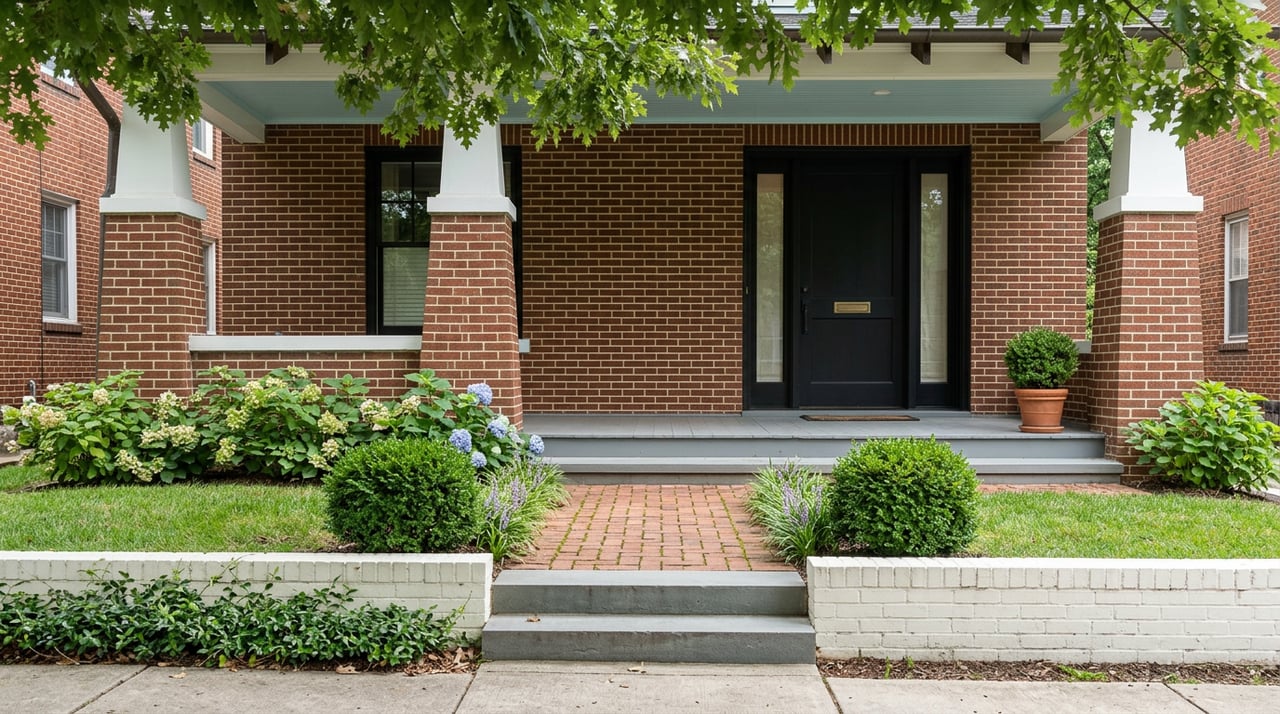
You hear about two checks when you make an offer in Charlotte: due diligence and earnest money. They sound similar, yet each one carries different risks and protections. If you are eyeing a Seversville bungalow or a condo just west of Uptown, understanding these deposits can help you write a stronger offer without taking on unnecessary risk. In this guide, you will learn what each deposit does, when it is refundable, and how local norms play out in Seversville and nearby Uptown. Let’s dive in.
Quick definitions in North Carolina
Due diligence fee
The due diligence fee (DDF) is a negotiated, typically nonrefundable payment that you make directly to the seller when your offer is accepted. It compensates the seller for taking the home off the market during the Due Diligence Period (DDP). You use that period to investigate the property and decide whether to move forward. In most cases, the seller keeps the DDF whether you close or you terminate during the DDP.
Earnest money deposit
The earnest money deposit (EMD) is a good-faith deposit, held in an escrow or trust account by the listing brokerage or a closing attorney. It gives the seller financial security if you default after your contractual rights to terminate end. If the sale closes, your earnest money is credited to you on the settlement statement.
How the timeline works in Charlotte
Most Charlotte contracts use standard forms from North Carolina REALTORS and the North Carolina Bar. Your offer will include a purchase price, your proposed DDF and EMD amounts, your desired DDP length, and a target closing date. Here is how the key steps usually flow:
- Offer accepted: You and the seller sign the contract that outlines the DDF, EMD, DDP, and closing date.
- Pay the DDF: You deliver the due diligence fee to the seller, typically right after acceptance per the contract.
- Deposit the EMD: Your earnest money goes into an escrow account with the listing brokerage or closing attorney.
- Due diligence period: You complete inspections, review HOA documents if applicable, evaluate title and survey, and work with your lender on underwriting.
- End of DDP to closing: If you proceed, you prepare for closing. If you terminate during the DDP per the contract, the seller keeps the DDF and your EMD is typically returned.
What is refundable and when
Understanding refund rules helps you set your risk level.
- If you terminate during the DDP under the contract: The seller keeps the DDF. Your earnest money is generally refundable.
- If financing falls through within the contract’s deadlines: You may be able to terminate and recover your earnest money. The DDF usually remains with the seller.
- If you default after the DDP or after contingencies expire: The seller may be entitled to claim your earnest money and will retain the DDF. Disputes about EMD can be held in escrow until resolved under the contract’s dispute provisions.
Always rely on the exact Offer to Purchase and Contract language and your closing attorney’s guidance for specifics.
Seversville and Uptown norms to know
Seversville sits just west of Uptown, and interest in the area has grown thanks to its proximity to Center City and nearby amenities. In multiple-offer situations for Uptown condos or move-in-ready homes near Seversville, buyers often use stronger DDF and EMD numbers to stand out. In a balanced market, more conservative deposits are common.
- Due diligence fee ranges in Charlotte: In less competitive situations, DDFs can be a few hundred to about $1,000. Many transactions land in the several hundred to several thousand dollar range. Competitive offers for Uptown condos can reach about 2,500 to 10,000 dollars or higher on higher-priced properties. These figures are illustrative and vary by listing.
- Earnest money ranges in Charlotte: Many buyers use a flat amount, while others target about 1 percent of the purchase price. Typical amounts often fall between 1,000 and 10,000 dollars, and may reach 1 to 2 percent in competitive scenarios.
- Due diligence period length: Many Charlotte-area contracts use 7 to 21 days. Shorter timelines can make an offer more competitive, but they increase your risk if you need more time for inspections, HOA review, and lender conditions.
Condos vs single-family homes near Uptown
The property type can shape your strategy.
- Condos near Uptown and Seversville: You will review HOA documents, budget and reserves, current or pending special assessments, leasing rules, parking rights, and any litigation history. Buyers often shorten the DDP to compete, but complex HOA reviews can require time. A short DDP increases risk if you need to terminate.
- Single-family homes in nearby neighborhoods: You will inspect items like roof, structure, drainage, and trees. You may request a longer DDP to complete inspections and estimates. In multiple-offer situations on higher-priced homes, larger DDF and EMD amounts can signal commitment.
How much should you offer?
Every deal is different, and each seller weighs risk and certainty in different ways. These points can help you calibrate.
- A larger DDF is immediately persuasive to many sellers because it is typically nonrefundable and signals commitment.
- A larger EMD also signals seriousness and protects the seller if you default after contingencies. It can be compelling in multiple offers.
- Balance both deposits with your inspection plan, lender timeline, and the property’s risk profile.
- In Seversville and nearby Uptown, your agent can benchmark recent accepted offers to guide your DDF, EMD, and DDP length. Treat any ranges as illustrative examples rather than rules.
Appraisal, financing, and repair negotiations
Your deposit strategy should match your financing and inspection plan.
- Appraisal shortfalls: A low appraisal does not change the DDF. If you choose to proceed, you may need additional cash at closing. Your earnest money follows the contract’s appraisal and financing contingencies and deadlines.
- Financing: If financing fails within contractual timelines, you may terminate and recover your earnest money. The DDF is usually retained by the seller.
- Inspections and repairs: During the DDP you can negotiate repairs or credits. If there is no agreement and you terminate within the DDP per the contract, the seller keeps the DDF and your EMD is generally returned.
Two illustrative examples
Example A: Uptown condo, competitive offer
- Purchase price: 450,000 dollars
- DDF: 7,500 dollars
- EMD: 5,000 dollars
- DDP: 7 days
- Outcomes: If you proceed, the DDF is credited per the contract and your EMD applies to funds due at closing. If you terminate within 7 days, the seller keeps the DDF and the EMD is typically returned. If you default after the DDP, the seller may claim the EMD and retains the DDF.
Example B: Single-family home nearby, balanced pace
- Purchase price: 375,000 dollars
- DDF: 2,000 dollars
- EMD: 3,750 dollars (about 1 percent)
- DDP: 14 days
- Outcomes: Similar to the condo example, but you have more time to inspect, review quotes, and negotiate without risking your earnest money if you terminate during the DDP per the contract.
Practical tips to protect your budget
- Align your DDP with your checklist: inspections, appraisal timeline, HOA document review, survey, and lender underwriting.
- Confirm where the EMD will be held and how quickly it must be deposited. Escrow handling follows North Carolina rules and brokerage or attorney procedures.
- For condos near Uptown, request HOA budgets, reserves, and any special assessment disclosures early in the DDP.
- Use illustrative ranges, not rules of thumb. The right DDF and EMD depend on the property’s demand and risk.
- Keep communication clear. Your agent should confirm every deadline and help you meet them so you do not risk your EMD.
Work with a local advisor who knows Seversville
If you are deciding between a Seversville cottage and an Uptown condo, your deposit strategy should reflect the property type, market temperature, and your financing. A local, process-driven team can help you balance competitiveness with protection. When you are ready, connect with Nelvia Bullock for calm guidance, clear timelines, and a smart offer plan.
FAQs
What is the difference between due diligence and earnest money in NC?
- The due diligence fee is a nonrefundable payment to the seller for the right to investigate during the Due Diligence Period, while earnest money is a good-faith deposit held in escrow that protects the seller if you default after contingencies expire.
If I terminate during the Due Diligence Period, do I get money back?
- If you terminate per the contract during the DDP, the seller keeps the DDF and your earnest money is typically returned to you.
Can a seller keep both the due diligence fee and the earnest money?
- If you default after the DDP or outside your termination rights, the seller may be entitled to the earnest money and will retain the DDF, subject to the contract and dispute-resolution provisions.
Who holds earnest money in Charlotte transactions?
- Earnest money is commonly held in an escrow or trust account by the listing brokerage or delivered to the closing attorney, following North Carolina escrow rules and local procedures.
How long is a typical Due Diligence Period near Uptown and Seversville?
- Many contracts use 7 to 21 days, with shorter periods common in competitive offers and longer periods in balanced scenarios.
What happens to the deposits at closing?
- At closing, the DDF is credited per the contract and the earnest money is applied to your funds due or closing costs on the settlement statement.